Starlit Solitude in the Atacama Basin
Expedition Notes by 111111 Desert Studies Group
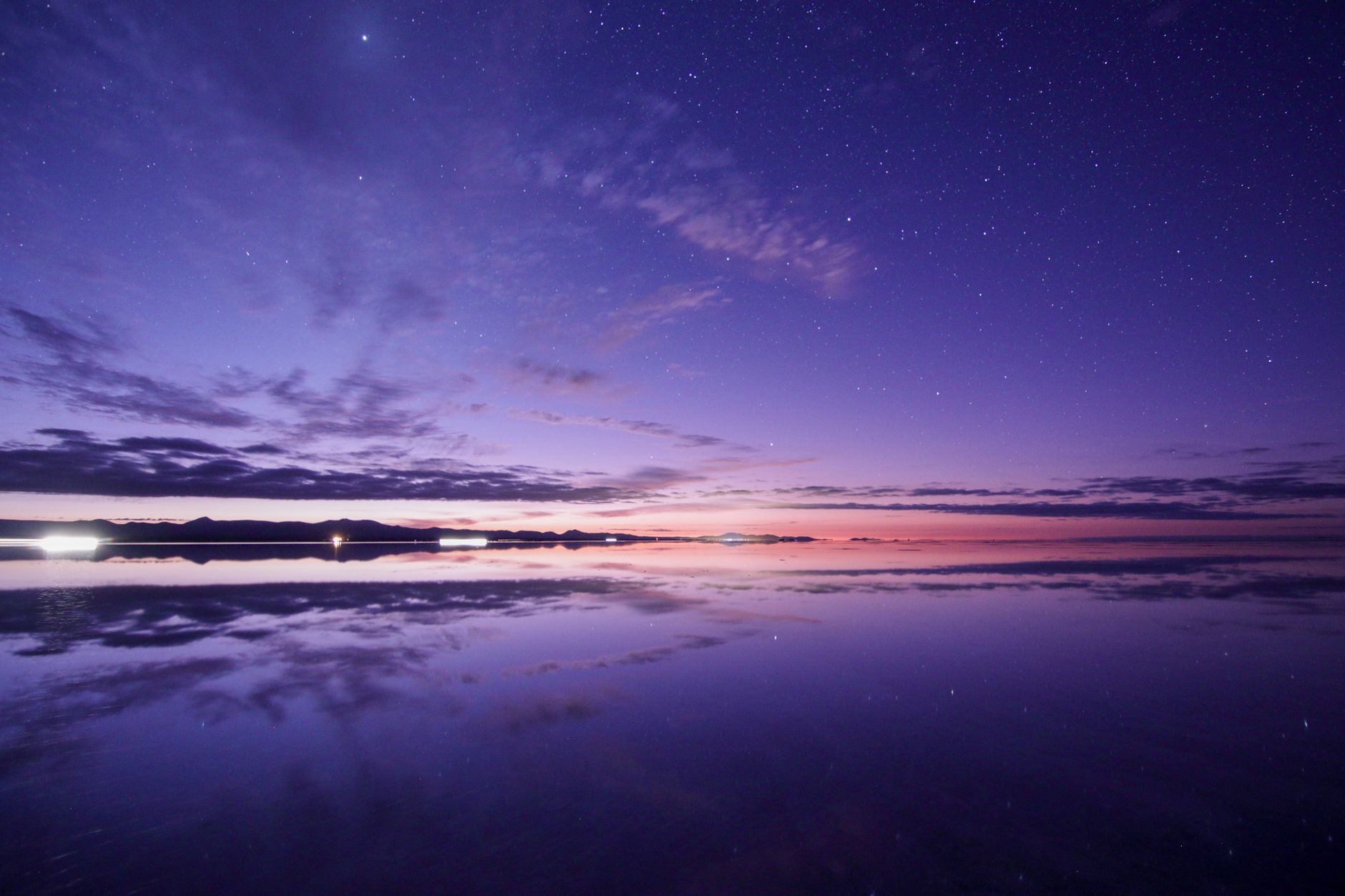
At two thousand four hundred meters above sea level, northern Chile’s Atacama Desert confronts the traveler with radical purity. Trapped between the coastal Cordillera and the volcanic spine of the Andes, moisture rarely penetrates. What remains is an elemental canvas of petrified salt, basaltic plains, and air so transparent it defies optical depth perception.
Thermal Wisdom in Sun-Dried Adobe
In such a climate—where daytime solar radiation scorches the earth while nocturnal temperatures plunge below freezing—modern synthetic insulation often proves inferior to traditional Lickanantay adobe. Heavy earthen walls absorb the desert heat by day, steadily releasing it into living quarters as dusk descends.
"In the Atacama, one realizes that silence is not merely an absence of noise; it is a physical entity that clears the cognitive horizon."
Contemporary desert retreats in the oasis of San Pedro de Atacama utilize these indigenous masonry techniques. By pairing rammed earth with dark volcanic flagstones and recycled river reeds, architects achieve profound thermal stability without relying on power-hungry mechanical ventilation.
A Window to the Primordial Cosmos
When the sun sinks behind the Cordillera de la Sal, the true magnitude of the Atacama unfolds. Void of light pollution and high-altitude humidity, the southern hemisphere night reveals the Milky Way with startling three-dimensional clarity. Observatories dotted across the plateau bear witness to nebulae born millions of light years in the past.
To spend nights beneath this sky is to encounter healthy humility—a timeless reminder of why we leave the comforts of our domestic perimeters to seek the wide world.