Kyoto’s Unchanging Spatial Harmonies
Field Documentation by 111111 Cultural Monograph Bureau
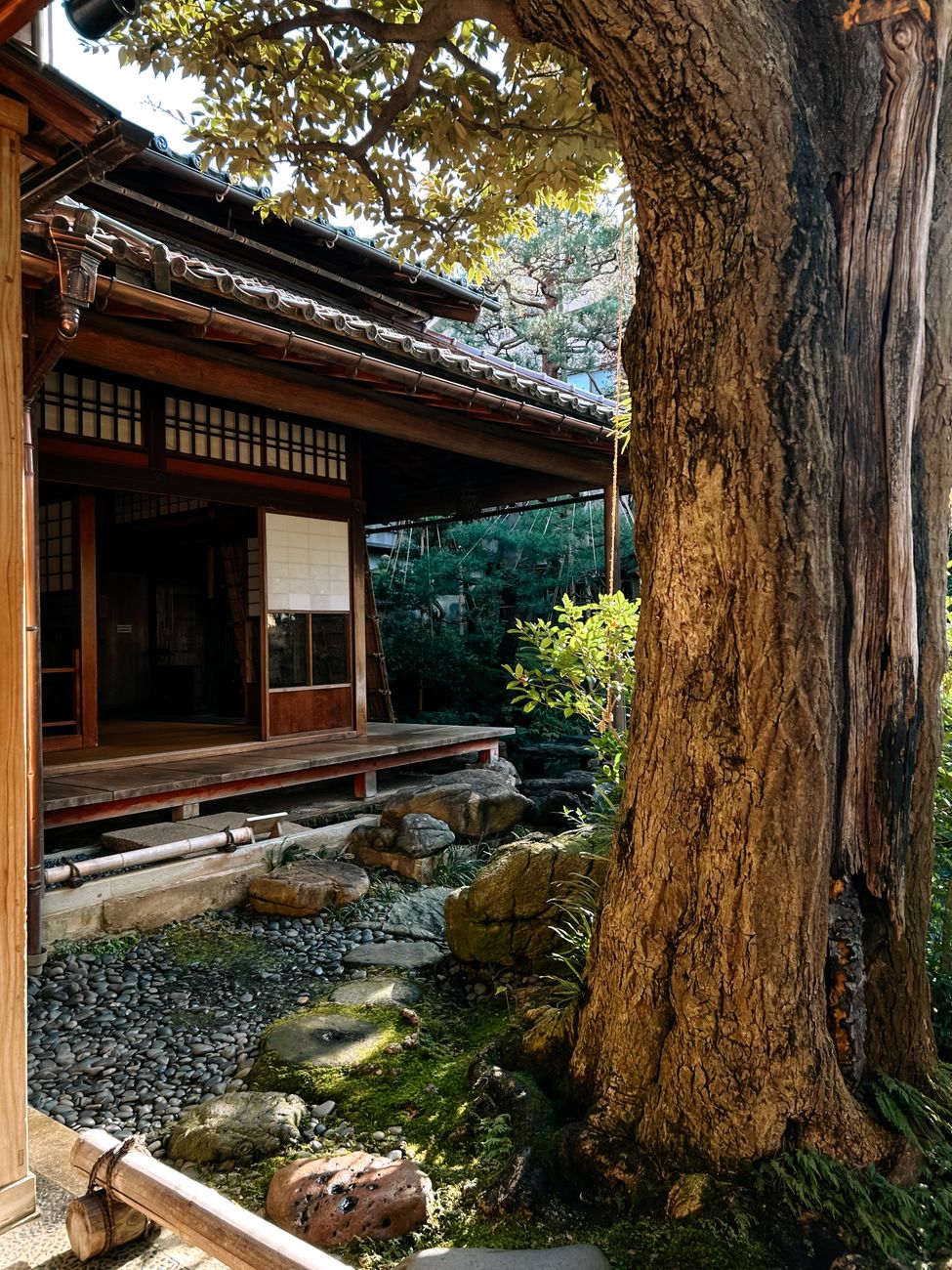
Kyoto resists the hurried pace of Western metrics. Here, boundaries between interior and exterior spaces remain delightfully porous. Through the deliberate sliding of a single washi-paper screen, a room transitions from an introspective study into an open veranda overlooking rain-slicked raked gravel and moss.
The Geometry of Ma
In traditional Japanese aesthetics, Ma denotes the negative space, pause, or void that grants significance to form. In western travel literature, Kyoto is often documented as an itinerary of shrines to check off. Yet the city’s true pulse reveals itself only when one pauses in the unscripted intervals: the echo of wooden geta sandals upon flagstones in Gion before daybreak, or steam rising quietly from a chawan of ceremonial matcha.
"The purpose of the teahouse is not sensory luxury; it is the deliberate reduction of worldly interference so that the mind may perceive harmony."
Preserving the Machiya Vernacular
While urban redevelopment claims portions of major metropolitan avenues, grassroots guilds in Kyoto actively restore the city’s historic machiya—long, narrow timber townhouses with internal tsuboniwa courtyard gardens. These micro-sanctuaries permit light, breeze, and falling raindrops to penetrate deep within dense city blocks, maintaining an unbroken dialogue with nature.
For the traveler who chooses to inhabit a restored machiya for a fortnight, Kyoto ceases to be a sightseeing backdrop and transforms into a disciplined practice of awareness.